
Modern electricity monitoring. What do you need to know?
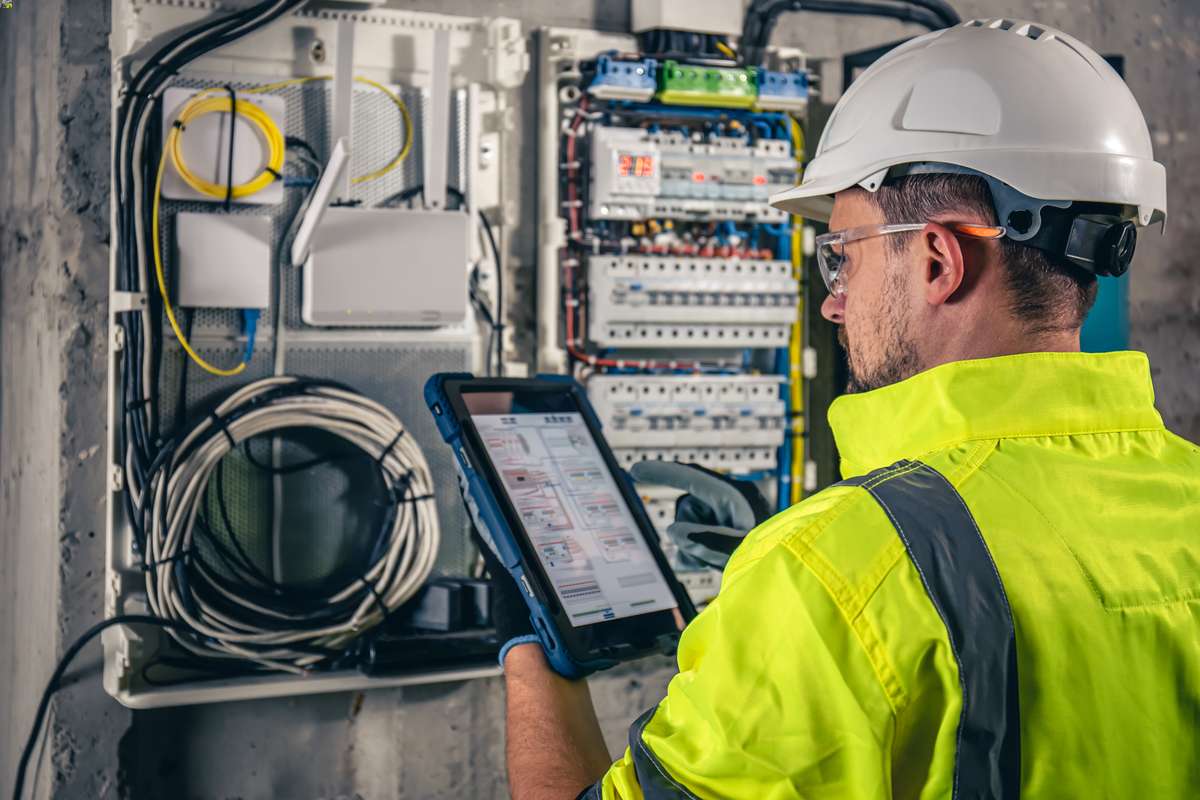
Monitoring electricity consumption is an increasingly common practice to help users keep track of their current energy use at home or in an industrial facility, for example. In this way, we find out how much electricity we are actually using each day and the amounts of energy consumed by individual appliances and electronic equipment. This gives us hard, verified data, which allows us to manage our energy consumption more effectively and make better decisions regarding possible savings.
What does electricity monitoring look like in practice?
Power consumption monitoring systems measure and analyse energy use in real time, without a moment's pause. This is made possible by the use of sophisticated sensors installed in the electrical system to monitor the energy consumption of all appliances in the home.
Users have a variety of functions at their disposal to efficiently manage energy consumption and identify areas that require some modification in this respect. The main applications of monitoring systems are:
- obtaining detailed information on the amount of energy consumed;
- storing data on the power of individual appliances and the real energy demand;
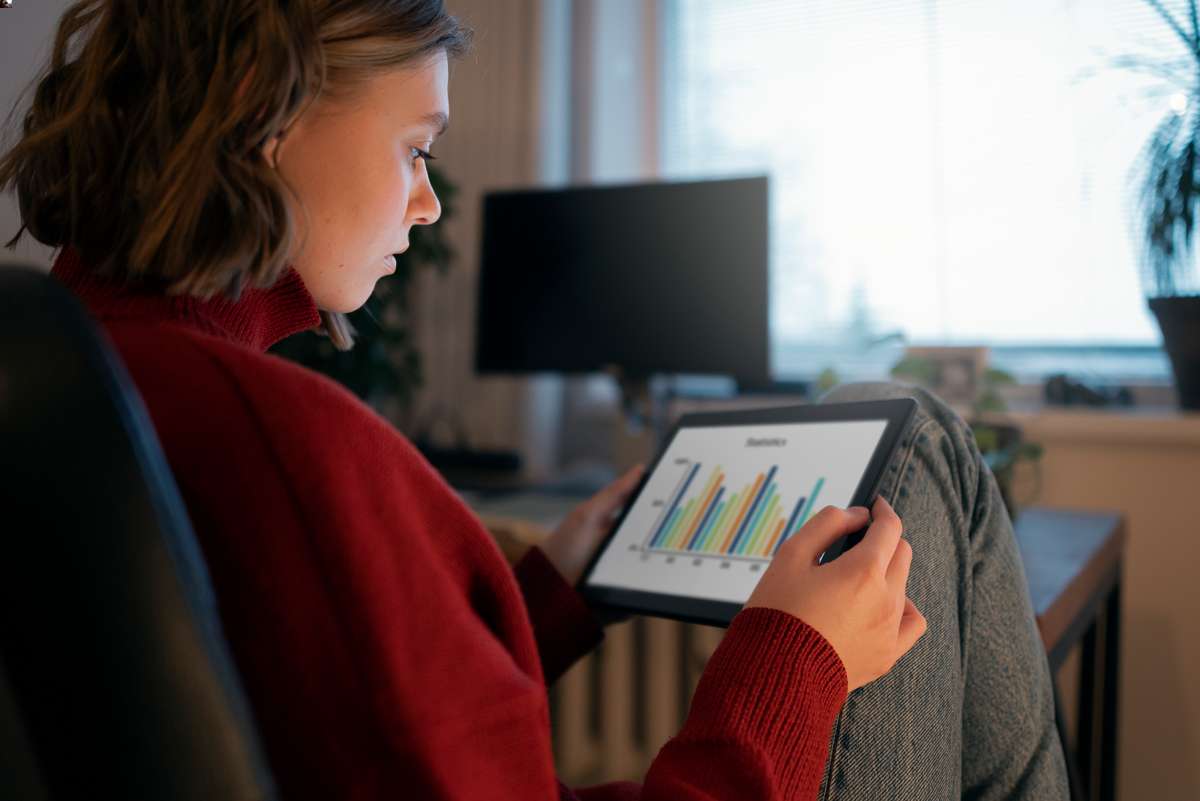
- collecting data on current quality parameters (current, voltage);
- monitoring the state of the power network and detecting any abnormalities (in such situations, the user is notified immediately);
- prevention of excessive power consumption thanks to the possibility of programming maximum consumption thresholds (the user is informed when they are exceeded);
- analysing data in order to optimise energy consumption in the household, office, industrial facility, etc.
The data collected in this way can be presented in the form of easy-to-read tables, graphs and reports, allowing you to compare electricity consumption over different periods of time and detect equipment that turns out to be the most energy-intensive. In short, such a state-of-the-art electricity monitoring system gives you full control over your domestic or commercial electricity use. In practice, this means more money in your wallet and less impact on the environment.
Home energy monitoring systems
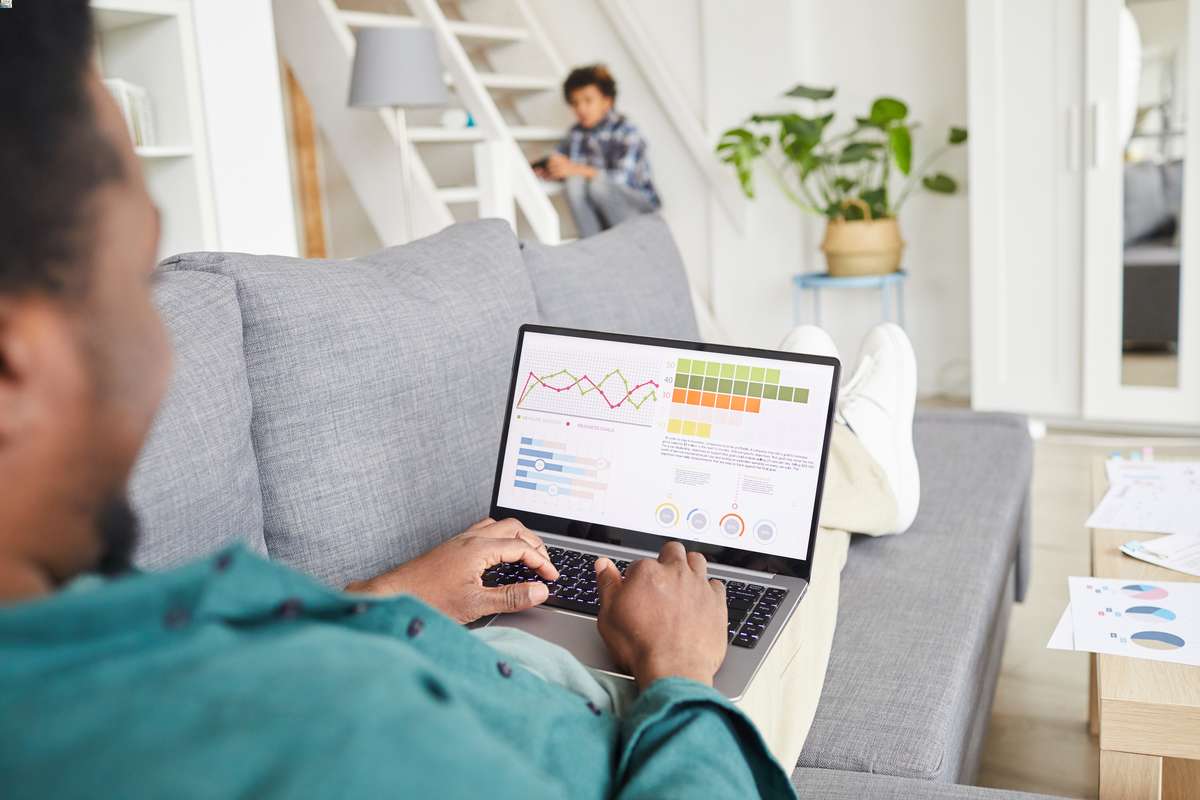
Energy monitoring in private applications can be integrated into home automation, making it even more efficient and convenient to track current consumption. What is more, these systems also work well with photovoltaic installations. This makes it possible to control the surplus energy produced and make optimal use of it. In addition to the standard monitoring of power consumption, possible faults in the PV panels or inverter can also be detected quickly and responded to in a timely manner.
Monitoring of electricity consumption in a company facility
Electricity monitoring tools and technologies are very useful in industrial and manufacturing facilities, among others, where electricity demand is usually very high. However, without knowing the exact distribution of energy consumption per machine (and over a certain period of time), it is difficult to optimise costs.
By opting for company energy monitoring systems, you gain the following functionalities:
- constant measurement of wear and tear in sensitive areas;
- clear information grouped in a company database;
- the ability to view and effectively analyse data in order to reduce electricity costs.
Smart electricity grids - what is it?
Modern monitoring of electricity consumption is directly linked to the concept of Smart electricity grids (Smart Grid). These are advanced systems using technologies from the borderline of IT, automation and communication, whose task is, among other things, to manage the generation, transmission and consumption (use) of electricity. The most important principles of Smart Grid systems are based on the following issues:
- the dissemination of distributed energy (dispersal of generating and receiving sources that allows optimal use and balancing of electricity);
- a reduction in the amount of pollution from the combustion of fossil fuels;
- improving the efficiency, flexibility and reliability of energy networks with a focus on sustainability;
- the ability to restore standard network parameters after faults or failures.
Smart Grid solutions require the use of an advanced metering infrastructure. This includes smart meters, data concentrators, network management and monitoring tools and systems, as well as the communication infrastructure that links the above 3 elements together.
What is Smart Metering?
Smart Metering is an advanced system for the metering and analysis of electricity consumption, considered one of the most important developments in energy policy. The solution includes not only smart energy meters (Smart Meters), but also a continuously developed telecommunications infrastructure (necessary for fast data transmission) and professional software.
The Smart Metering system works on the principle of “linking” minor components of energy networks into a larger whole and communicating these components with each other. The main idea is not only to acquire, but also to efficiently analyse data in order to optimise production processes and reduce energy consumption in companies and private homes.
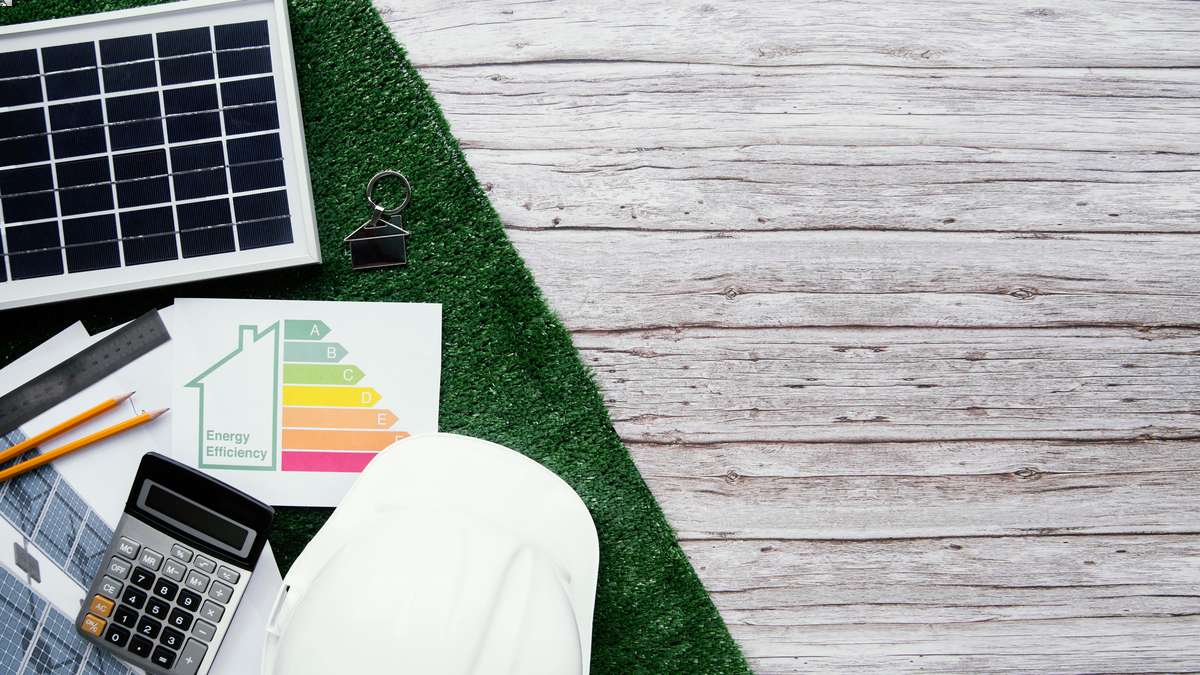
How does Smart Metering work?
At the heart of Smart Metering is the use of smart electricity meters - state-of-the-art metering devices that enable communication between the various participants in the energy market. This ensures that electricity is supplied in an optimal way, taking into account the lowest possible costs. Advanced metering is also used to integrate distributed energy sources, such as those from photovoltaic installations.
What are the characteristics of smart electricity meters?
- extensive functionalities - including the ability to track electricity consumption in real time;
- flexibility - adapting to users' needs;
- adaptability to new developments - including support for electric vehicle charging;
- efficient bidirectional data transmission - the option to transfer data from the meter to the network operator and back;
- effective communication between the energy consumer and the operator - which is particularly important in the event of an outage in the power grid (the electricity retailer is immediately notified).
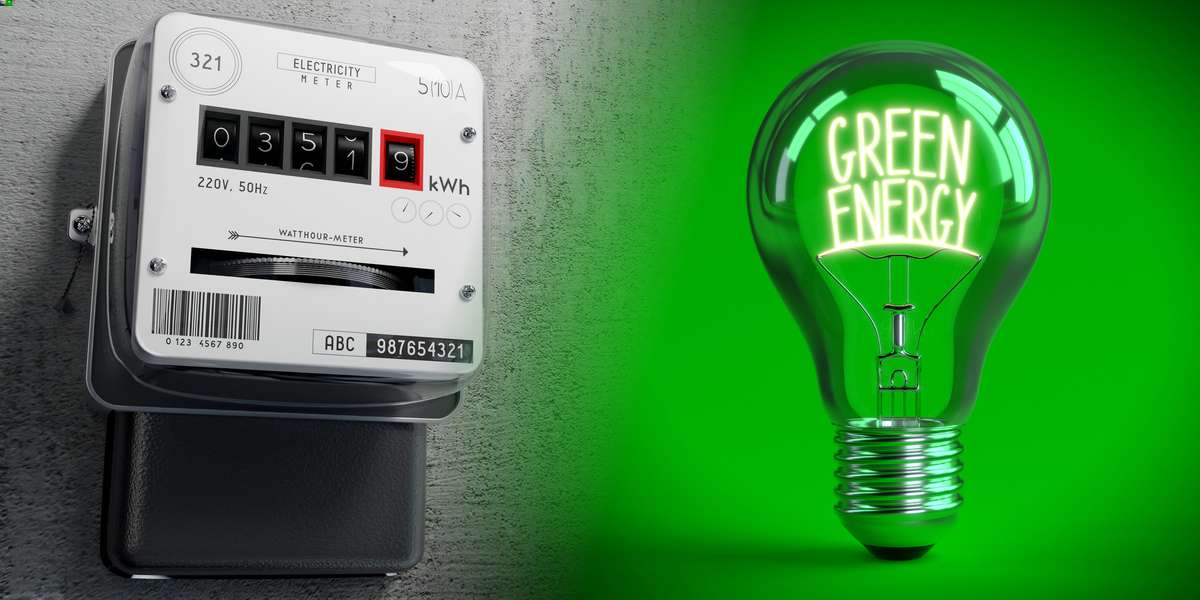
Another component of the Smart Metering system is the so-called data concentrators. These are special devices or software used to acquire and process data from smart meters, transmit them to other electricity consumers, and monitor network parameters with the emphasis on energy quality. In the context of Smart Metering, it is also important to mention the IT systems that make it possible, among other things, to store meter data, supervise and bill energy costs, and monitor the quality and quantity parameters of electricity in real time.

Monitoring electricity consumption - what are the benefits?
Let's summarise the main benefits of using modern energy monitoring systems:
- Collection and analysis of power consumption data - better management of energy consumption, greater savings and a positive impact on the environment.
- Real-time monitoring - efficiently identify periods of peak energy use and analyse the effectiveness of actions taken to reduce consumption.
- The possibility to set up alerts - the system can be individually configured to notify users of specific events, e.g. exceeding a predefined consumption threshold, unexpected increases in power consumption or security threats to the energy network. This makes it possible to achieve specific goals such as saving energy and developing energy-conscious habits.
- Connectivity to smart home and photovoltaic systems - an additional extension of functionality, comprehensive information on power consumption and performance of photovoltaic panels, possibility of remote control of energy monitoring systems.
- A wide range of energy monitoring tools - smart energy meters, management systems, IoT (Internet of Things) devices, numerous platforms, applications and online energy monitoring services, etc.
 Polish
  English