Software House NiceDMS Automotive
Automotive
Automotive-related companies, such as dealers, rental companies, service and vehicle inspection stations, must constantly seek new solutions to increase their operational efficiency and remain compliant.
One interesting solution that can make a significant contribution to achieving these goals is effective document management.
Challenges Automotive sector
Companies in the automotive industry often find it difficult to manage documentation, leading to delays, errors and the risk of regulatory non-compliance. Traditional, paper-based processes become bottlenecks that inhibit operational efficiency. More and more companies are opting for digital solutions, to streamline its operations.
CRM systems can improve customer relationship management, providing better service and faster response to market needs. Modern systems such as number plate reader barriers, can speed up and automate logistics processes, increasing overall efficiency.

The digitalisation of documentation and the introduction of modern technologies, such as CRM systems and automated barriers, allows automotive companies to react faster to changing market conditions and better achieve their business goals. This is key to remaining competitive and successful in a dynamic sector.
Full mobility
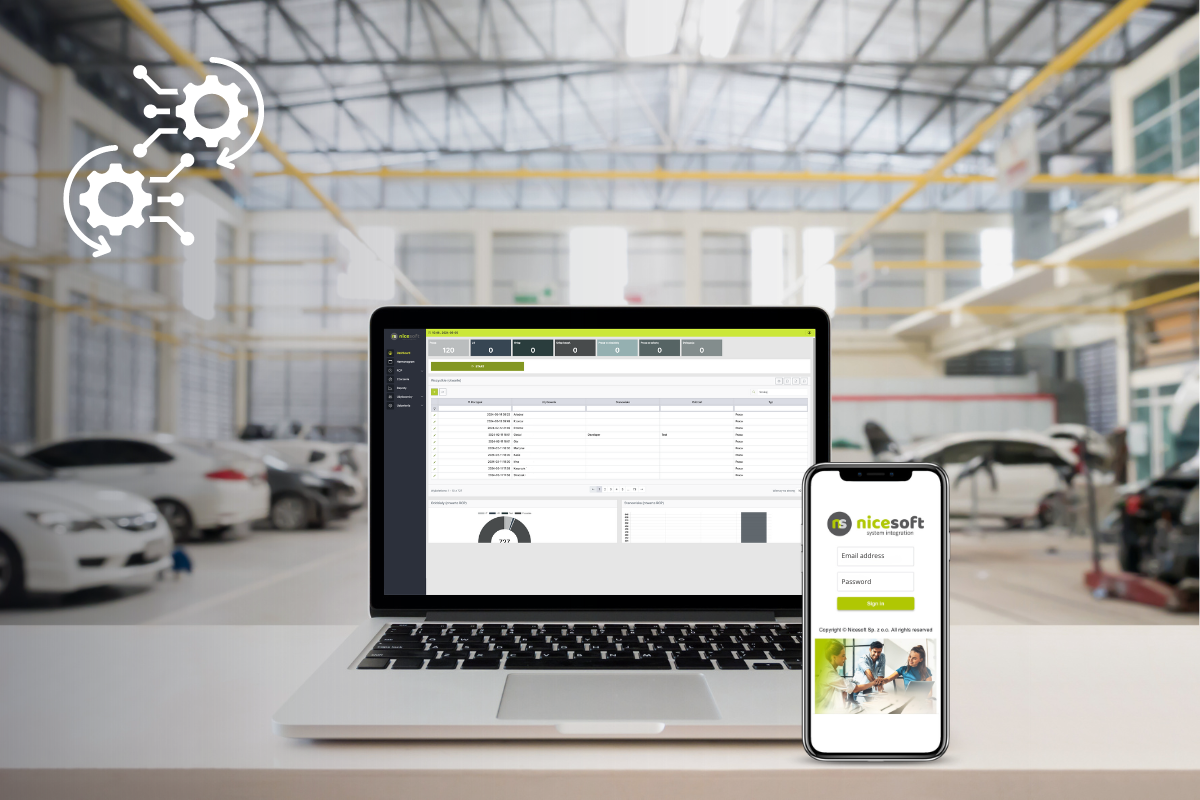
Use of mobile devices is becoming indispensable for effective functioning in the field. Electronic forms, workflows and the ability to sign consents electronically not only increase the mobility of the team, but also keep bureaucracy to a minimum.
Lease applications, employee documents, technical manuals or marketing materials - all can be managed efficiently thanks to the modern digital solutions.
The pace of change in the automotive industry is very fast and, as a result, proper document management is becoming a key element of success. Companies that invest in modern technologies, gain a competitive advantage by increasing both operational efficiency and meeting regulatory compliance requirements.
Benefits digital solutions
3. centralisation of information
By using document management systems, companies can centralise information, improving collaboration between different departments. Vendors, mechanics, agents, as well as accountants can collaborate more effectively by having access to a single, centralised source of information.
4 Safety and compliance
Document management systems also allow financial information and customer identity data to be effectively secured. The use of electronic forms, workflows and audit trails helps to maintain compliance with current regulations.
1. automation of processes
The creation of custom applications, interactive electronic forms and automated workflows allows for fast and secure file entry and retrieval. Processes related to sales, leasing, invoices, warranty claims or repair orders can be managed more efficiently.
2. paper elimination
Digital solutions help dealers, workshops and technical inspection stations to go paperless. This not only reduces printing and storage costs, but also speeds up processes by eliminating the need to manually search through paper documents.
Why you should
implement digital solutions in the automotive industry?
- Improving operational efficiency
Digital solutions, such as document management systems and process automation, eliminate paper documents and simplify information flows. This enables faster processing, reduces errors and streamlines daily operations. Automating tasks such as invoicing and order management speeds up operations and improves efficiency.
- Improving regulatory compliance
The automotive industry must comply with a range of regulations and legal standards. Digital systems enable automatic monitoring and verification of compliance, minimising the risk of financial and reputational penalties. Regular updates to the systems ensure that the company is always operating in compliance with current regulations.
- Monitoring of utility consumption
Digital systems allow energy and other utility consumption to be monitored on an ongoing basis, enabling better control of operating costs and the implementation of savings strategies.
- Faster response to change
Digital tools enable faster adaptation to changing market conditions and customer needs. With ongoing analyses and reports, companies can respond flexibly to changes and optimise their business strategies.
- Efficient fleet management
Digital fleet management systems enable the monitoring and optimisation of vehicle utilisation. By tracking location, maintenance status and service schedules, it is possible to increase operational efficiency and reduce fleet operating costs. These systems also help with route planning and logistics management, which improves punctuality and reduces fuel consumption.
- Logistics optimisation
Digital solutions in logistics enable better planning and coordination of deliveries. The integration of warehouse and transport management systems allows for efficient supply chain management, leading to faster order fulfilment and minimised delays.
- Improved data management
Digital solutions allow data to be stored and managed centrally, making it easier to access and analyse information. CRM systems, such as CRM Creatio, support customer relationship management, allowing you to better track interactions, analyse needs and customise offers. This helps to increase customer satisfaction and build lasting relationships.
- Optimisation of resource management
Digital tools allow efficient management of resources such as materials, vehicle parts and personnel. Systems such as NiceWorkTime help to record working time and manage employee attendance to optimise costs and improve work organisation.
- Increasing safety
Digital systems, such as access control and monitoring, provide protection for company assets. They allow access to sensitive areas and data to be controlled, enhancing operational security and protecting against unauthorised access.
- Better use of data for mnarketing
Digital marketing tools such as Meta Ads and Google Ads enable precise ad targeting and campaign optimisation. By integrating with these platforms, automotive companies can reach their customers more effectively and increase the effectiveness of their promotional activities.
Check out our other services
Frequently asked questions
(FAQ)
Here you will find answers to many questions related to digital solutions for the automotive industry.
CRM systems enable better management of customer relationships, leading to increased customer satisfaction and loyalty. This enables companies to respond more effectively to market needs and improve service quality.
Number plate reading barriers improve logistics and fleet management, speeding up and automating processes, resulting in a smoother and more controlled flow of goods.
Yes, modern digital records management systems are designed with security in mind. They ensure legal and regulatory compliance, minimising the risk of penalties and sanctions.
Digitalisation allows for better use of available data, enabling more precise decision-making and faster responses to changing market conditions. This translates into increased competitiveness for companies.
- digitisation of processes
- implementation of CRM systems
- automation of logistics with number plate reading barriers
- use of artificial intelligence and machine learning to analyse and optimise operations
Some of the key challenges companies may face include integrating new technologies with existing systems, training employees on new tools and managing change within the organisation. It is also worth paying attention to ensuring data security.
Preparing a company for digital transformation requires developing a strategy, investing in the right technology, training employees and managing the change. It is also worth consulting experts to ensure a smooth implementation of the new solutions.
Examples of success include companies that have implemented CRM systems and automated barriers, which has allowed them to increase operational efficiency, improve customer relationship management and streamline logistics. Such companies often report an increase in customer satisfaction and a reduction in operating costs.
Long-term benefits include staying competitive, better data and resource management, increased customer satisfaction, regulatory compliance and the ability to respond more quickly to changing market conditions. Digital transformation also allows for the development of innovative solutions that can contribute to the long-term success of the business.



Newsletter
Sign up for our newsletter to receive the latest content posts directly to your inbox.
 Polish
  English