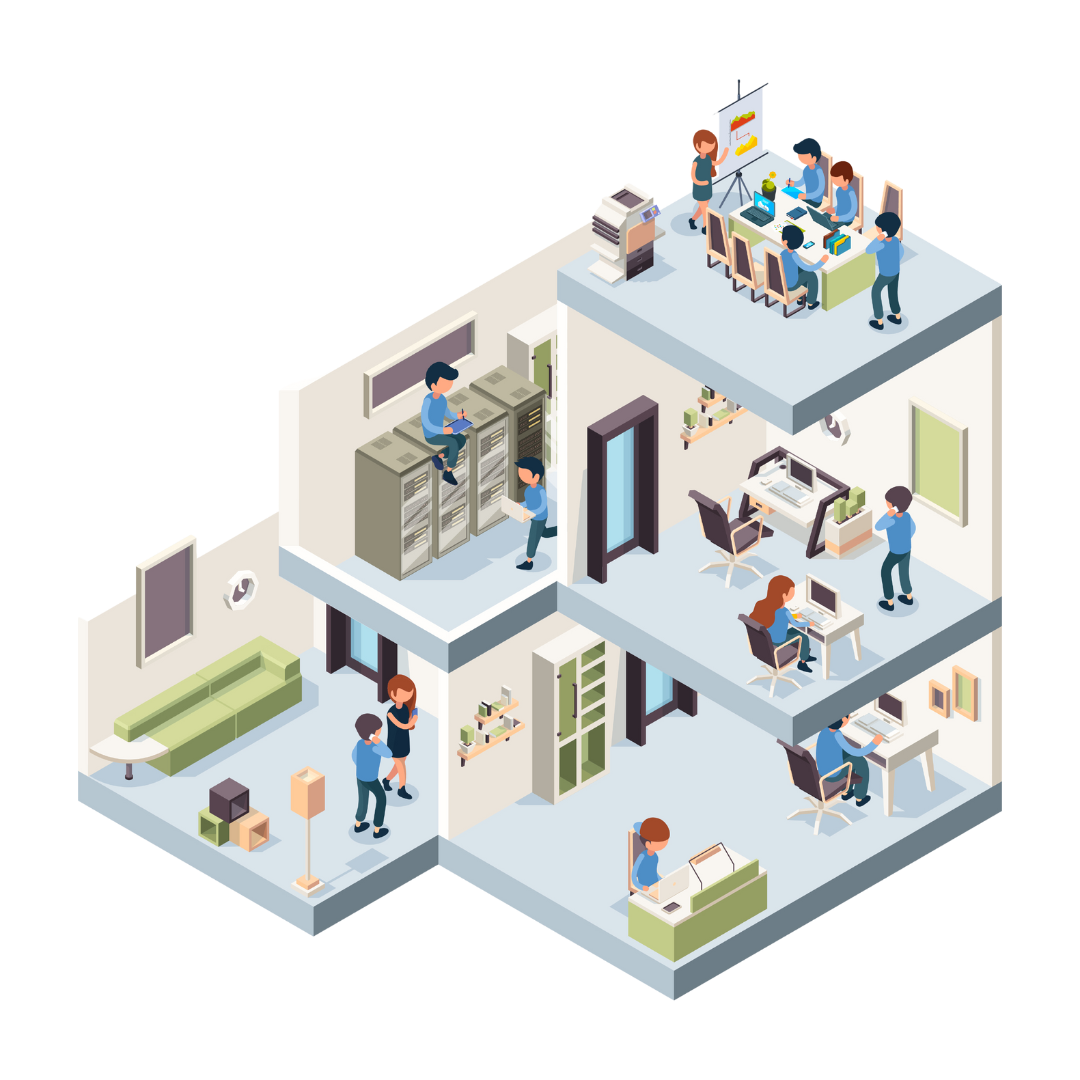
Software House Security systems for facilities and premises
Systems
security of facilities and premises
In today's business environment, advanced access control systems are crucial to the security of companies and institutions. We offer innovative technologies that precisely manage access, protect against unauthorised entry and monitor traffic in key areas.
Our solutions, integrated with other security systems, guarantee the highest level of protection.
Long-term success thanks to careful planning
Innovation in response to customer concerns
Our team strives to solve customers' problems and meet their needs. Solutions are not always standard; they can be modifications to existing products or completely new innovations. As a result, we can always deliver cost-effective, end-to-end solutions that meet our customers' expectations.
Flexibility for different requirements
We offer bespoke solutions that can support both small and large, sprawling facilities. Equipped with advanced terminals, our systems enable the creation of multi-level structures with unique access rights for different user groups, making our products versatile and adaptable to a variety of scenarios.
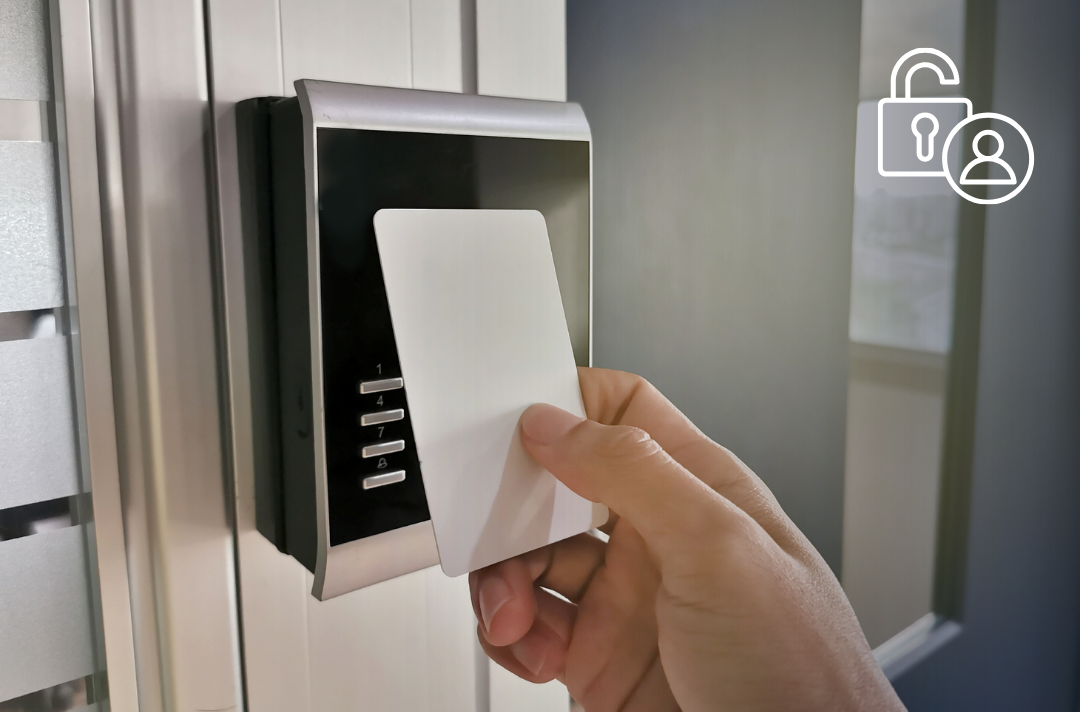
Authentication
The system verifies the identity of the user by comparing the data submitted with the databases stored in the system.
Event logging
All access attempts, both successful and unsuccessful, are logged on the system, allowing user activity to be monitored and analysed.
What is access control system and how does it work?
Access control is the systematic management of access to specific sites or resources, with the aim of protection against unauthorised access. It is used both in physical spaces, such as buildings and rooms, and in IT systems, to manage access to data and applications.
Identification
The user presents his or her credentials, e.g. access card, PIN code, biometrics (fingerprint, facial recognition) or other forms of identification.
Authorisation
After successful authentication, the system checks whether the user has the authority to access the specified location or resource.
Enforcement of rules
The system automatically enforces the access rights granted, for example by opening doors or granting access to data in the computer system.
Application security systems for facilities and premises
Companies and corporations
They provide secure access to buildings and restricted spaces.
Schools and universities
They facilitate the management of access to campuses, classrooms and other areas of the university. They help organise and monitor the movement of people inside educational facilities.
Industry
They protect production and storage areas from unauthorised access.
Medical facilities
They protect patient data and access to high-security areas, thus guaranteeing full protection and confidentiality of medical information.
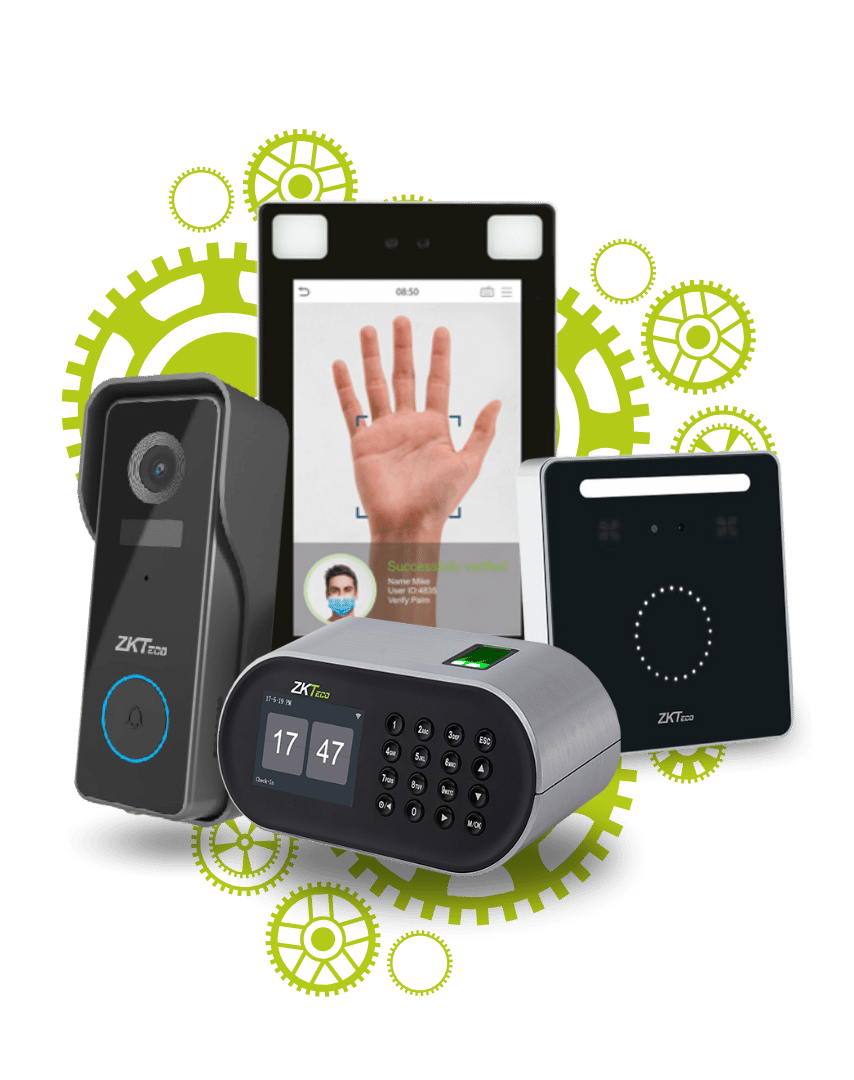
Thanks to advanced technologies, access control systems provide a high level of security, enabling the management of authorisations in a flexible and customised way for organisations.
Face terminals
Face terminals use advanced facial recognition technology to quickly and securely verify a user's identity.
The main advantages of this solution are:
High accuracy
Facial recognition algorithms are able to identify individuals with almost 100% accuracy, eliminating the risk of false identifications.
Contact-free operation
The verification process takes place without the need for physical contact, which is particularly important in times of pandemics.
Speed
Identity verification takes just a fraction of a second, significantly speeding up the entry process.
Ease of integration
Face terminals can be easily integrated into existing access control systems.
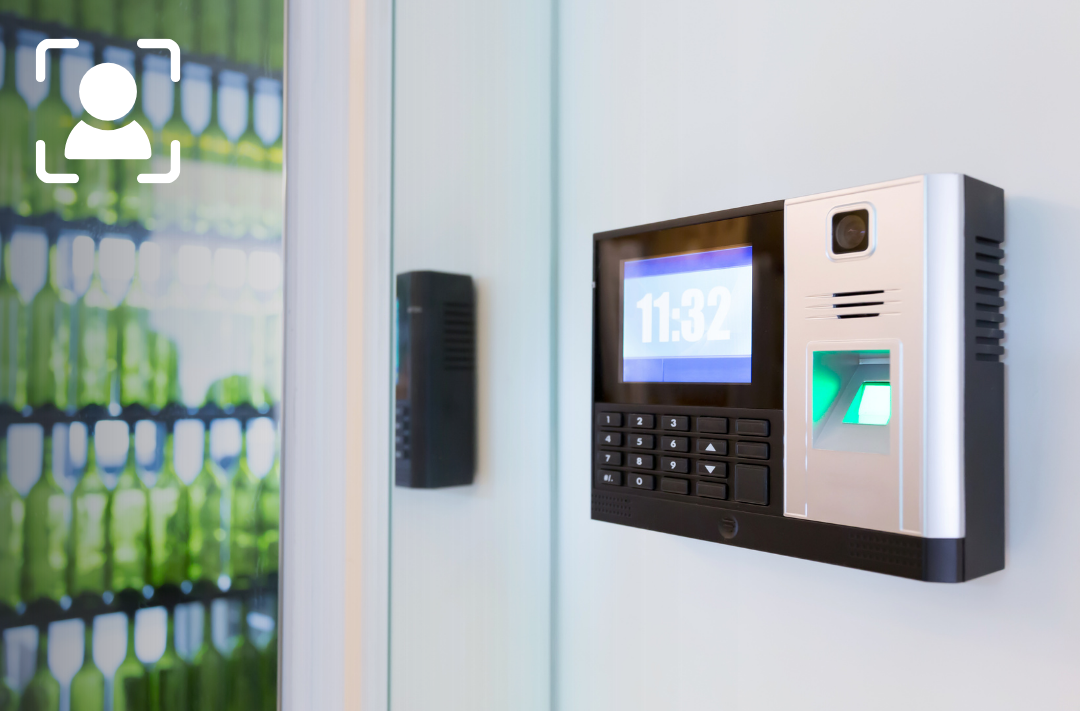
Biometrics
Biometric systems rely on the unique physical characteristics of the user, such as fingerprints, retinal scanning or voice recognition. As a result, they offer an unparalleled level of security and are virtually impossible to forge.
The key benefits of biometrics are:
Reliability
Biometrics is one of the most secure methods of identity verification, as it is based on the unique biological characteristics of each user.
Data durability
The user's biometric data does not change over time, providing a constant and unchanging form of identification.
Versatility
Biometric systems can be used in a variety of environments, from office to industrial.
Difficulty in counterfeiting
The uniqueness of biometric features makes them extremely difficult to forge or deceive.
Modern solutions
access control
In today's world, where security and data protection are at the forefront, modern access control solutions are becoming an indispensable part of any organisation. Face terminals and biometric systems is the future of access management, offering the highest level of security and convenience.
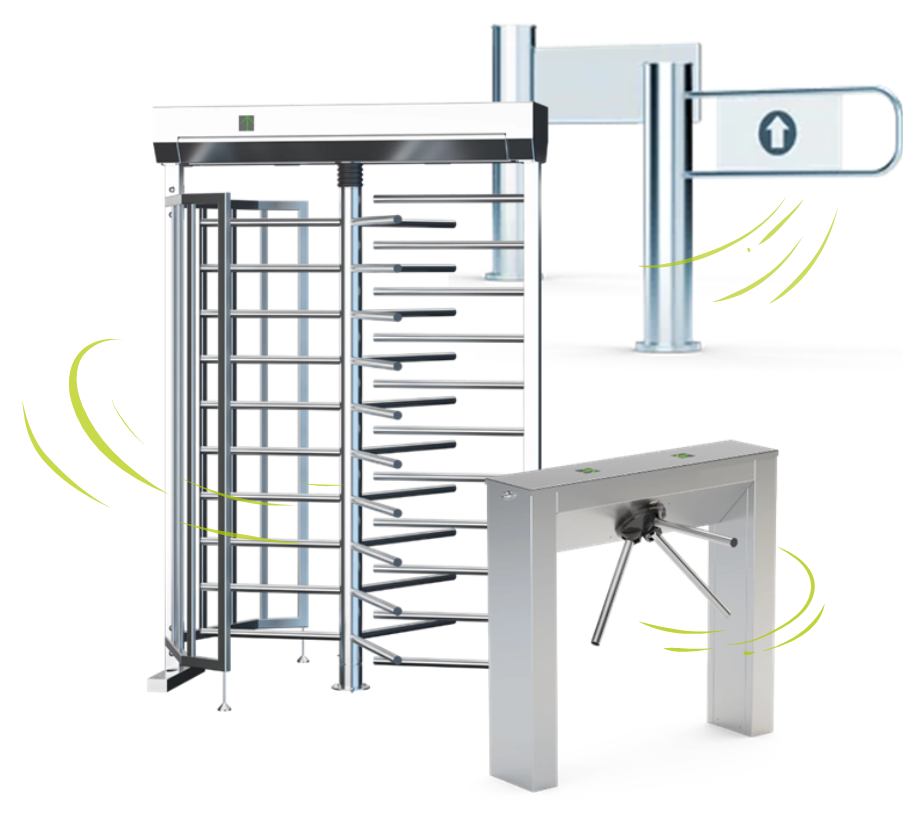
Turnstiles
Our range of access control systems includes modern turnstiles, which combine advanced technology with elegant design. These solutions provide effective access management, a high level of security and smooth movement of people within protected areas. Integrated with other security systems, our revolving doors are a key element of security in companies and institutions, guaranteeing reliability and comfort.
Check out our other services
We are involved in marketing and IT systems. You can order a system from us CRM, dedicated solutions, our UTM (system for network security), monitoring working time for employees, SEO positioning, copywriting, creation of web pages and more.
Related to the security of facilities and premises: Asset security systems
You can see more services in our menu under the tab: Offer
Frequently asked questions
(FAQ)
Here you will find answers to many questions about the asset and facility security system.
An access control system is a technical solution to manage access to buildings, rooms or resources. These systems can include a variety of technologies, such as magnetic cards, RFID key fobs, PIN code keypads, biometrics (fingerprints, facial recognition) and smart locks.
The benefits of implementing an access control system include:
- Enhanced security by restricting access to sensitive areas.
- Track and record employee and visitor activity.
- Ability to immediately block access if a card or other identification device is lost.
- Flexible access rights management that can be easily adapted to changing needs.
The access control system works on the principle of verifying the identity of people attempting to gain access to certain locations. The user must present a means of identification, such as a magnetic card, PIN code or biometric data, which is then verified by the system. If the data matches the stored permissions, access is granted.
Types of access control systems include:
- Physical access control systems: locks, keys, key cards.
- Electronic access control systems: keypads, RFID key rings, proximity cards.
- Biometric access control systems: fingerprint scanners, facial recognition, iris scanners.
Access control systems are designed with security in mind. Advanced technologies such as data encryption, biometrics and intelligent rights management ensure a high level of protection. Regular updates and security audits further enhance their reliability.
The cost of implementing an access control system can vary significantly depending on the scale and complexity of the system. The number of access points, the type of technology used, installation costs and the required functionalities, among others, all have an impact on the price. It is worth consulting the supplier for a detailed quote tailored to specific needs.
Yes, access control systems can often be integrated with other security systems such as video surveillance systems, intruder alarms, building management systems (BMS) and time management systems. This integration creates a comprehensive security solution, which is more efficient and easier to manage.
Yes, access control systems are scalable and can be adapted to the needs of both large and small businesses. Implementing an access control system can benefit any organisation, regardless of size, by improving security and operational efficiency.
Technical requirements may vary depending on the chosen system and its complexity. In general, the installation of an access control system requires a suitable cable infrastructure, power supply, mounting points for readers and locks and system management software. It is worth consulting your supplier to determine the exact requirements for your particular case.
The latest trends in access control systems include:
- Biometrics: increasing use of facial and iris recognition technology.
- Mobile solutions: using smartphones as means of access identification.



Newsletter
Sign up for our newsletter to receive the latest content posts directly to your inbox.
 Polish
  English