
A unique website is a business card, a hub for communicating with clients and potential clients and a platform for branding. In this article, we will take an in-depth look at the key ingredients that make an effective website on the web, as well as the strategies that need to be implemented to create and optimise it. In addition, we will focus on the latest trends in its design.
What should an original website contain?
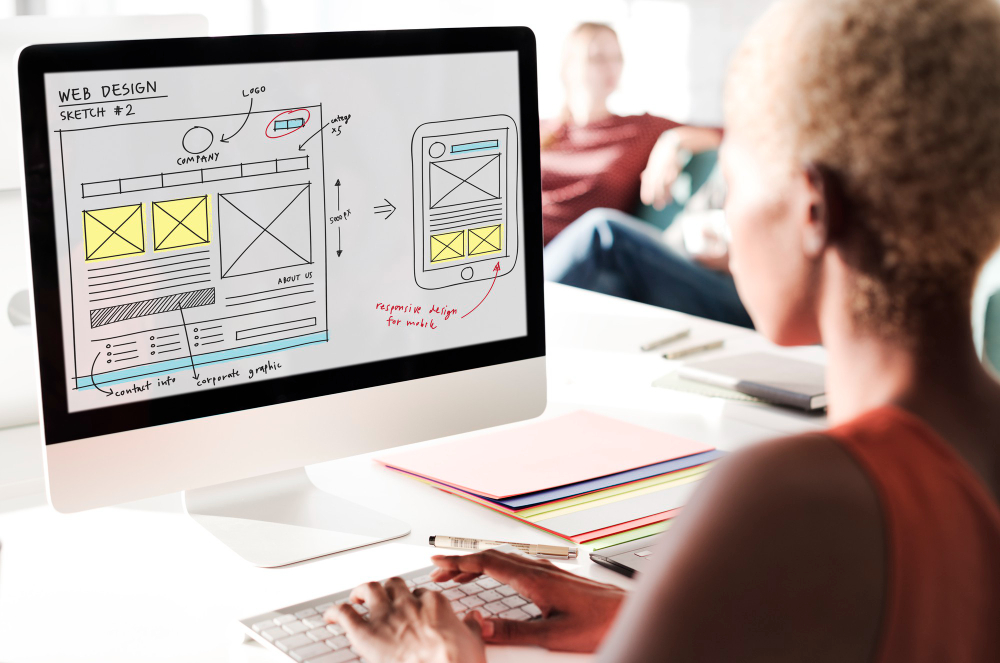
An effective website is one that combines consistent design, accessibility and readability with well thought-out UX, SEO optimisation and an understandable information architecture. Each of these elements is important for a website to be functional, attractive to the user and attract organic traffic from search engines. Creating a website is a process that requires precision and consideration of many different aspects - it is only by combining them harmoniously that a website can be created that not only stands out from the competition, but also meets the expectations of modern users.
Visual and content consistency
Consistency in the context of a website means consistently applying a specific visual style and tone of communication. Colours, typography, images and graphics must form a harmonious whole that supports the brand identity. Consistency not only facilitates perception, but also builds trust with users who expect intuitiveness and professionalism. When building a cohesive site, it is important to maintain a consistent layout on each sub-page and avoid excess elements that can create chaos.
Company information
Company information is the foundation of any useful website. It's not just a dry presentation of data, but also a story about the brand. This is where you can tell the company's story, its roots, goals and values. It's the place where a company can communicate its mission and vision, which helps build trust and loyalty with customers.
Products or services
If your company offers products or services, be sure to provide accurate and attractive descriptions. Include information about prices, specifications, benefits and uses. Help customers understand why your products or services are valuable and why they should choose them.
Blog or information section
Valuable blog or information section is a treasure trove for your website. Here you can provide factual content, advice and industry-related news. This not only helps to build your position as an expert, but also attracts attention and engages visitors.
Contact form
Contact with your company must be easy and accessible. Include a simple contact form, but also include contact details such as an email address and telephone number. It is important that customers feel they can contact you whenever they need to.
Opinions and references
Reviews and testimonials from satisfied customers are a valuable asset. Share reviews on your website from people who have used your products or services. This not only builds trust, but also provides social proof of the quality of your offering.
News and promotions
A „News” or promotional section allows you to inform customers about news, events and promotions. This encourages regular visits to the site and can increase conversions.
How do you create a website that attracts customers?
A unique website - planning and strategy
Before you start designing your website, carefully define its objectives and target audience. Understand what problems your business solves for customers and what benefits it offers. Planning is a key stage that will help you tailor the content and design of your website to your customers' needs and expectations.
UX - intuitive user experience
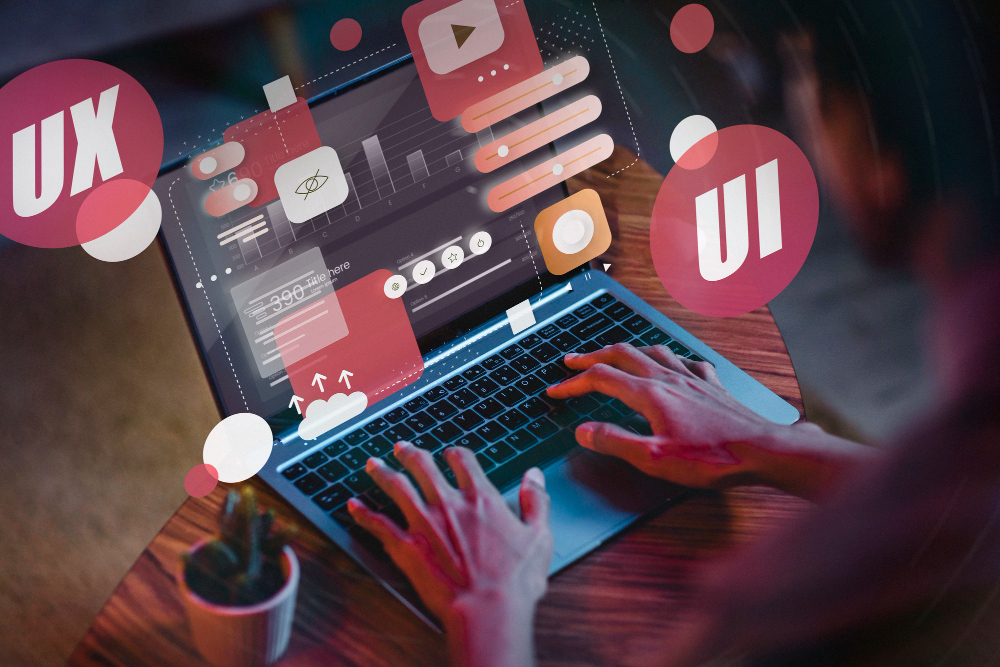
User experience (UX) is one of the most important elements for the success of a website. A good website should be easy to use, intuitive and in line with user expectations. It is crucial that interactive elements, such as buttons or links, are easily recognisable and clearly labelled. A clear structure, fast loading times and responsiveness (adaptation to different devices) are indispensable elements of UX. The aim is for the user to feel comfortable and find all the information he or she needs without difficulty.
Design and appearance
The design of a website is crucial. Choose an aesthetically pleasing, readable design that reflects the company's identity. Make sure the website is responsive, meaning it adapts to different devices. Avoid excessive use of colours and elements that can overwhelm visitors. Simplicity and clarity are key.
The aesthetics of a website influence the first impression of visitors. Carefully choose colours, fonts and graphics to create an attractive appearance. Attention to aesthetics creates a positive impression and can encourage users to stay on the site longer.
Design principles such as visual hierarchy, balance i contrast, They help organise content in an intuitive way. The use of a visual hierarchy makes the most important elements more visible and draws users' attention, such as call-to-action (CTA) buttons. The use of negative space (empty space around elements) is also important as it facilitates orientation and gives the page a lightness. Attractive and thoughtful design attracts attention, but it is important that it does not dominate the content - it should support the message, not obscure it.
Content and SEO
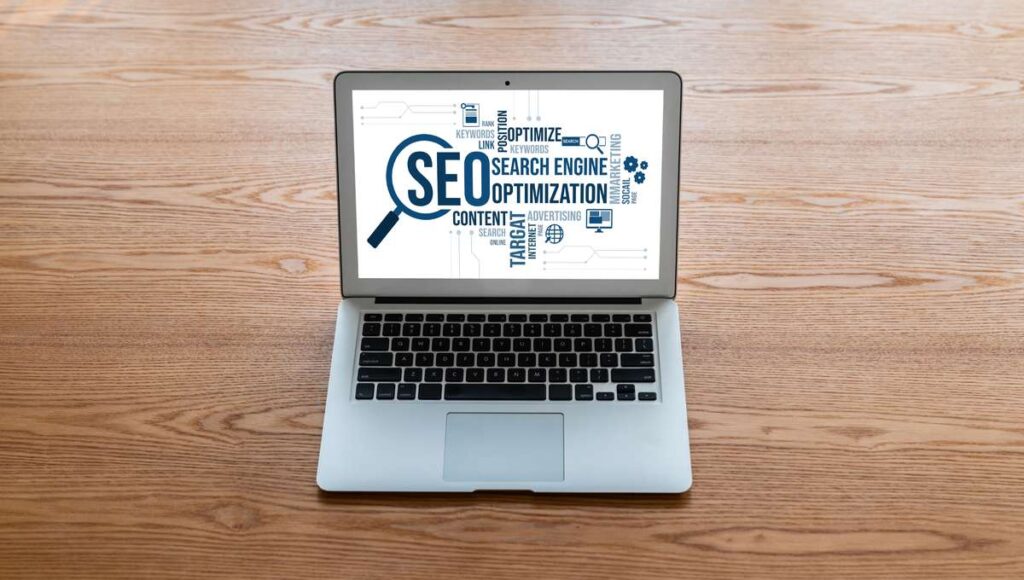
An effective website is one that is visible in search engines, so SEO optimisation (Search Engine Optimisation) is an essential element. Among other things, this means using the right keywords, ensuring that the content is unique and valuable, as well as technical optimisation of the website (e.g. loading speed, responsiveness, use of appropriate HTML tags). Good SEO makes the website more visible and easier to find in search results, which attracts more users and increases the chances of conversion.
Testing and optimisation
The process of creating a high-performance website on the web is never ending. Regularly analyse visitor behaviour and, based on this, make improvements that will improve the user experience. Test different variations to understand which solutions work best for your target audience. Also optimise your page loading speed, which is of paramount importance for visitor satisfaction.
Promotion
Creating a website is only the beginning. Actively promote it on social media, run advertising campaigns and work on positioning. With the right promotional activities, you will reach a wider group of potential customers.
UX/UI optimisation for better website conversion
Responsiveness
Ensure that the site is responsive and runs smoothly on a variety of devices. The loading speed and convenience of the website on smartphones and tablets are key elements to enhance the visitor experience.
Information architecture and navigation
A clear information architecture is the foundation of effective navigation. The website should have a well-organised menu structure and a logical layout of sub-pages, enabling the user to quickly find the information they are looking for. Information architecture is not only about the way content is grouped, but also about giving it an appropriate hierarchy. This ensures that the user finds his or her way around the site intuitively and that the path through the site is simple and understandable.
Site navigation should be intuitive and easy to understand. Users should find what they are looking for quickly. Clear menus and logical content layout are key. Make it easy for users to navigate by placing links and buttons where they expect them.
Charging speed
The speed at which a page loads is of paramount importance to the user experience. Compressed images, code minimisation and the right server configuration can significantly speed up loading. Regular monitoring and optimisation of page performance is essential.
User tests
Conduct regular user tests to get their feedback and reactions to the site. This will help you identify problems and make any necessary improvements. Collect feedback from users and take it into account in the development process of the site.
Find inspiration
Muzli (mus.li)
- Description: Muzli is a platform for designers to collect the latest inspiration and trends in design, UX and art.
- Why visit: Here you will find the latest design inspiration and resources from all corners of the internet, from categories such as typography, colours, interfaces and much more.
Designspiration (designspiration.com)
- Description: The Designspiration platform is dedicated to gathering visual inspiration for designers. It acts like a mood board, allowing you to create collections and share inspirational images.
- Why visit: Designspiration offers carefully selected images from categories such as graphics, fashion, typography or architecture. It also allows you to create your own collections of inspiration, which is great for the visual exploration of ideas.
SiteInspire (siteinspire.com)
- Description: SiteInspire is a directory of uniquely designed websites where you can discover inspiration from a variety of industries and design styles.
- Why visit: The site is particularly useful for those looking for inspiration in web design. You can browse designs based on different styles, design types, as well as specific visual and technical features.
Summary
Building an effective website is a multi-step process that requires many aspects to be considered. Key elements include company information, products/services, blog, contact form, reviews and news. Planning, design, content optimisation, testing and promotion are key steps in achieving online success. Additionally, UX/UI optimisation and keeping up to date with the latest design trends allows your website to be competitive and attractive to users. Remember that your website is your company's virtual ambassador, so ensure its quality and effectiveness by adapting it to your visitors' needs and expectations. Continuous development and adaptation to changing market needs are key to long-term online success. With these key elements and new design trends, your website can stand out online and attract customers like a magnet.
Featured article: Websites: How to effectively monetise their creation?
 Polish
  English